 BLOG
BLOGApril 2025
blog
How to Choose the Right PPE for Your Site
Selecting PPE starts with a hazard assessment. We walk through the key considerations for head, eye, respiratory, hand, and foot protection across common industrial environments.

Loading...
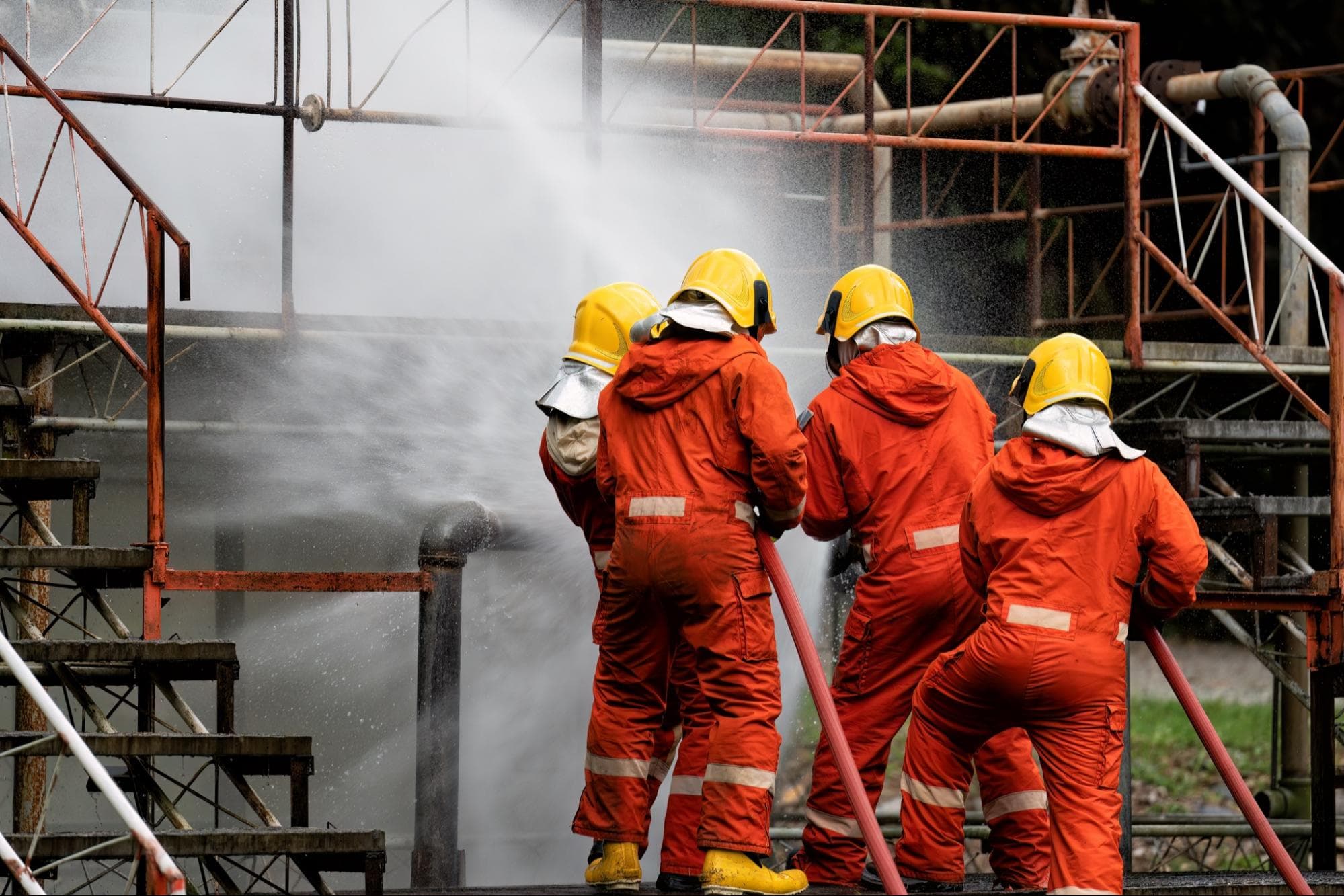
European EN and American ANSI standards are both widely referenced in Ghana. Here is what the key differences mean for your procurement decisions.
When you purchase PPE, the certification standard printed on the product is not just a label — it is the guarantee that the equipment has been independently tested and verified to protect workers against specific hazards.
In Ghana and across West Africa, you will encounter two primary families of standards: European EN standards and American ANSI standards. Both are internationally recognised, but they differ in their testing methods, classification systems, and markings.
Understanding these differences is essential for procurement teams, safety officers, and site managers.
EN standards are developed by the European Committee for Standardization (CEN) and are mandatory for products sold in the European Economic Area. They are widely used across Africa due to strong European trade relationships.
| Standard | Covers | Example | | ------------ | ------------------------------------ | ----------------------------- | | EN 397 | Industrial safety helmets | Hard hats for construction | | EN 166 | Eye protection | Safety spectacles and goggles | | EN 388 | Protective gloves — mechanical risks | Cut, abrasion, tear, puncture | | EN 149 | Filtering half masks | FFP1, FFP2, FFP3 respirators | | EN ISO 20345 | Safety footwear | S1, S2, S3 rated boots | | EN 361 | Full body harnesses | Fall arrest systems | | EN ISO 20471 | High-visibility clothing | Reflective vests and jackets |
EN standards typically use a class or level system. For example:
ANSI standards are developed by the American National Standards Institute and are widely used in industries with American supply chains, particularly mining, oil and gas, and large-scale manufacturing.
| Standard | Covers | Example | | --------------- | ----------------------- | ------------------------------ | | ANSI Z89.1 | Head protection | Hard hats — Type I and Type II | | ANSI Z87.1 | Eye and face protection | Safety glasses and goggles | | ANSI/ISEA 105 | Hand protection | Cut resistance levels A1–A9 | | NIOSH 42 CFR 84 | Respiratory protection | N95, N99, N100 respirators | | ASTM F2413 | Protective footwear | Safety toe, electrical hazard | | ANSI Z359 | Fall protection | Harnesses, lanyards, lifelines |
ANSI standards use different classification systems:
| Aspect | EN | ANSI | | -------------------- | ------------------------- | ----------------------- | | Origin | European | American | | Testing body | CEN / Notified Bodies | ANSI / ISEA / NIOSH | | Cut resistance scale | Levels 0–5 (EN 388) | Levels A1–A9 (ISEA 105) | | Respirator ratings | FFP1, FFP2, FFP3 | N95, N99, N100 | | Head protection | EN 397 (top only default) | Z89.1 Type I/II | | CE marking | Required for EN products | Not applicable | | Common in Ghana | Very common | Common in mining sector |
In practice, both EN and ANSI certified products provide effective protection. The choice depends on:
The most important thing is that you never purchase uncertified PPE. A product without a valid EN or ANSI certification mark has not been independently tested and should not be trusted to protect workers.
We supply PPE certified to both EN and ANSI standards. Our team can help you identify the correct standard for your sector and recommend products that meet your compliance requirements.
Contact us for guidance on selecting the right certified PPE for your site.
Photo Gallery
More From Industrial Blog
BLOGSelecting PPE starts with a hazard assessment. We walk through the key considerations for head, eye, respiratory, hand, and foot protection across common industrial environments.
 BLOG
BLOGA practical checklist for site managers covering PPE requirements, signage, first aid, and fire safety essentials for construction sites in Ghana.