A practical checklist for site managers covering PPE requirements, signage, first aid, and fire safety essentials for construction sites in Ghana.
Why You Need a Safety Checklist
Construction sites are among the most hazardous work environments. Falls, struck-by incidents, electrical hazards, and caught-in/between accidents account for the majority of serious injuries and fatalities in the sector.
A simple, well-maintained safety checklist helps site managers ensure that nothing is overlooked — every shift, every day.
This checklist is designed for construction and infrastructure sites in Ghana, aligned with both local regulations and international best practice.
1. Personal protective equipment
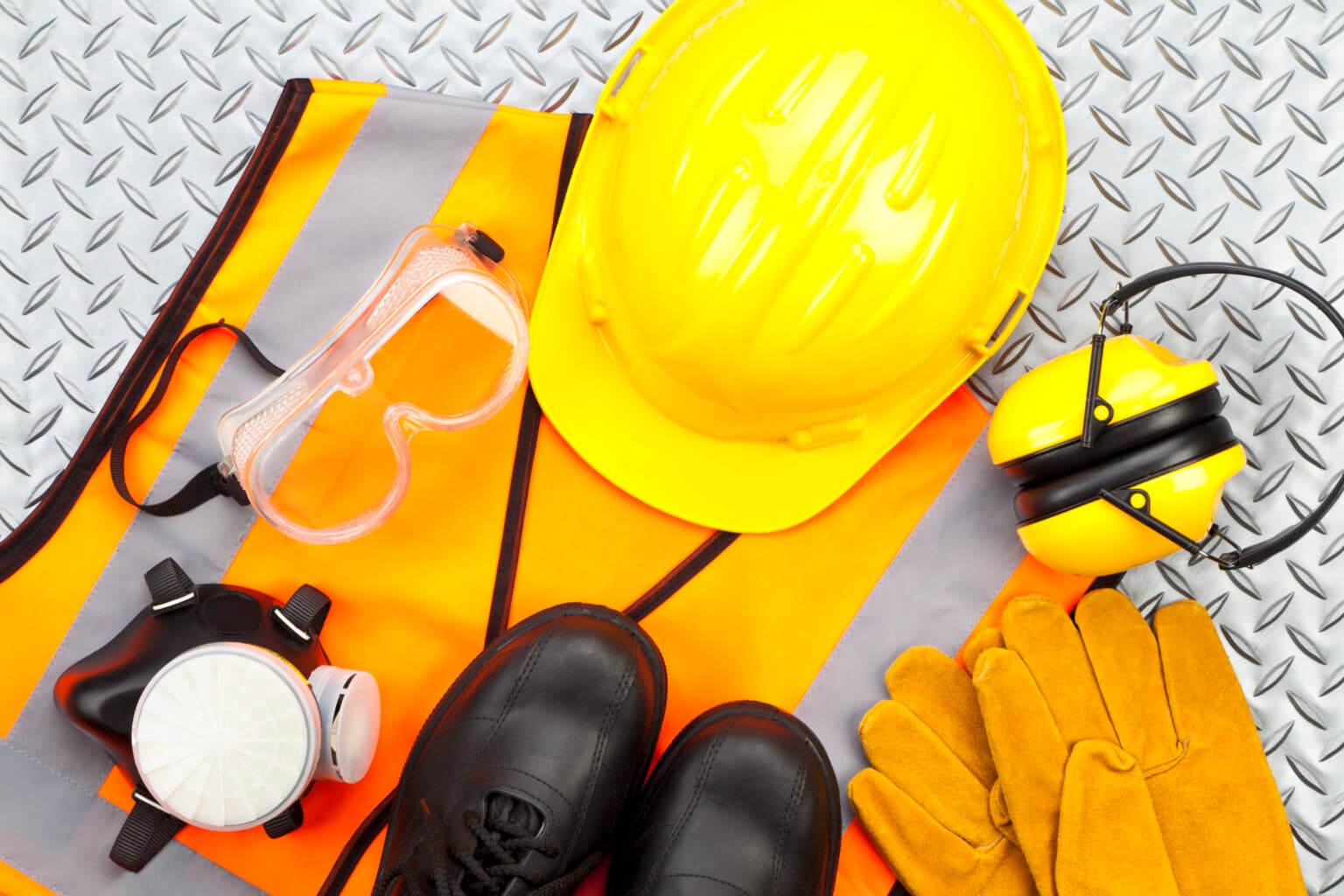
Every worker on site must have access to the correct PPE for their task. Verify the following daily:
- [ ] All workers wearing approved safety helmets (EN 397 / ANSI Z89.1)
- [ ] Safety footwear worn by all personnel (EN ISO 20345 S3 minimum)
- [ ] High-visibility vests worn in all traffic areas (EN ISO 20471)
- [ ] Safety glasses available for cutting, grinding, and drilling tasks
- [ ] Hearing protection provided in high-noise zones (>85dB)
- [ ] Respiratory protection available for dusty environments
- [ ] Fall arrest harnesses inspected and worn for any work above 2 metres
- [ ] Gloves appropriate to the task (cut-resistant, chemical, heat)
Key question: Is every worker wearing the right PPE for the specific task they are performing right now?
2. Site access and signage
Clear signage and controlled access prevent unauthorised entry and ensure hazard awareness:
- [ ] Site perimeter secured with fencing or barriers
- [ ] Entry and exit points clearly marked
- [ ] Mandatory PPE signs displayed at all entry points
- [ ] Hazard warning signs posted at relevant locations
- [ ] Speed limit signs for vehicle traffic areas
- [ ] Emergency assembly point clearly marked and known to all workers
- [ ] Visitor sign-in process in place
3. Working at height
Falls from height remain the leading cause of construction fatalities:
- [ ] All scaffolding inspected by a competent person before use
- [ ] Guardrails, toe boards, and mid-rails in place on all platforms
- [ ] Ladders inspected and secured before use
- [ ] Fall arrest harnesses worn for all work above 2 metres
- [ ] Lanyards and anchor points inspected daily
- [ ] Openings and edges protected with barriers or covers
- [ ] Workers trained on fall protection procedures
4. Excavations and earthworks
Trench collapses can be fatal. Ensure:
- [ ] Excavations deeper than 1.2m have shoring or sloping
- [ ] Spoil heaps kept at least 1m from excavation edges
- [ ] Barriers and warning signs around all open excavations
- [ ] Safe means of entry and exit (ladders every 7.5m)
- [ ] Underground services located and marked before digging
- [ ] Daily inspection of excavation walls for signs of movement
5. Fire safety
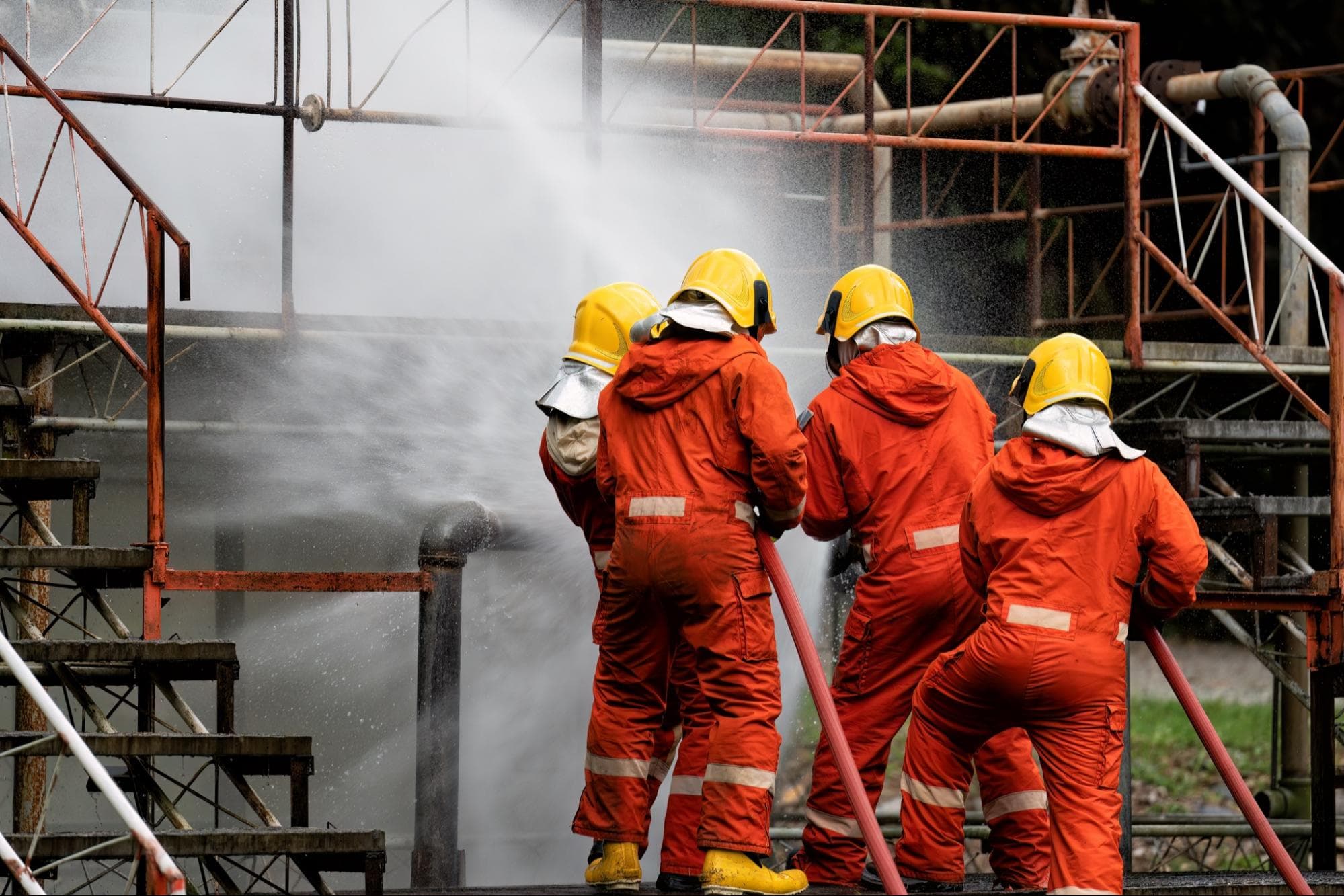
Every construction site must have basic fire protection:
- [ ] Fire extinguishers placed at key locations (minimum every 30m)
- [ ] Extinguishers inspected monthly and serviced annually
- [ ] Hot work permits issued for welding, cutting, and grinding
- [ ] Flammable materials stored in designated areas away from ignition sources
- [ ] Fire assembly point established and communicated
- [ ] Emergency contact numbers displayed prominently
6. First aid
Injuries require immediate response. Verify:
- [ ] First aid kit stocked and accessible (EN 13157 compliant)
- [ ] At least one trained first aider on site per shift
- [ ] Eye wash station available near chemical handling areas
- [ ] Stretcher and basic rescue equipment available
- [ ] Emergency vehicle access route clear and unobstructed
- [ ] Nearest hospital and emergency numbers posted on site
7. Electrical safety
Electrical incidents are often fatal:
- [ ] All temporary electrical installations inspected by a qualified electrician
- [ ] RCDs (residual current devices) fitted and tested
- [ ] Cables routed away from traffic areas or protected with covers
- [ ] Portable tools inspected before each use
- [ ] Lockout/tagout procedures in place for electrical maintenance
- [ ] No exposed or damaged wiring on site
8. Housekeeping
A clean site is a safer site:
- [ ] Walkways and access routes clear of debris and materials
- [ ] Materials stored neatly and securely
- [ ] Waste removed regularly — no accumulation of combustible materials
- [ ] Spills cleaned up immediately
- [ ] Tools returned to storage when not in use
9. Training and communication
Safety procedures only work when everyone understands them:
- [ ] All workers received site-specific safety induction
- [ ] Toolbox talks conducted at the start of each shift
- [ ] Method statements available for high-risk tasks
- [ ] Workers know how to report hazards and near-misses
- [ ] Emergency procedures rehearsed at least quarterly
Put It to Use
Print this checklist and use it as a daily walk-through tool. The best safety checklist is one that is actually used — consistently, every day, by every site manager.
Need help equipping your construction site with certified PPE and safety materials? Contact Accord Industrial and we will put together a supply package matched to your site requirements.
 BLOG
BLOG

 BLOG
BLOG